The same process every cycle
A programmed path applies the same motion, force, torque, or bead to every part where the fixture holds the work consistently.
These systems put parts together, drive fasteners, apply material along a path, and finish a surface. Each one is built around the components, the fixture, the process, and the check that says the result is right.
Each system type has its own page. Start with the operation you want to improve, then review what the system includes and whether it fits your product.
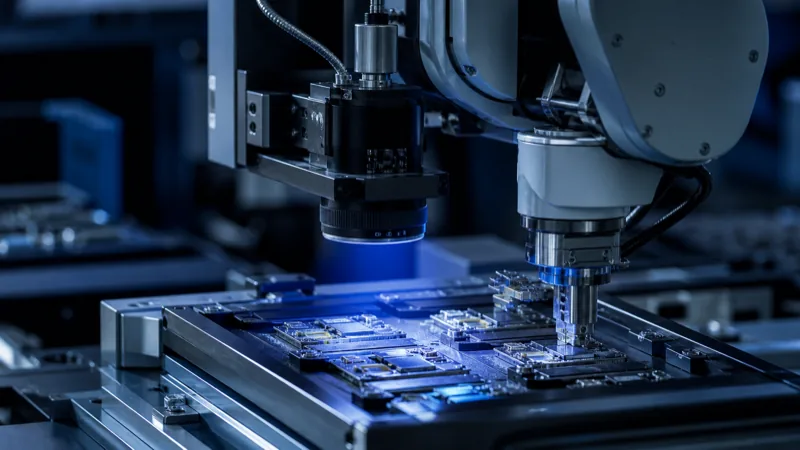
Places, presses, and seats components into a base part.
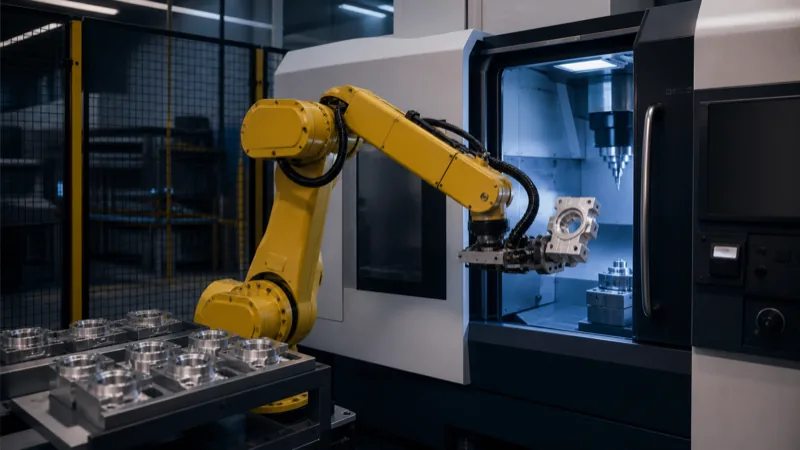
Drives fasteners at repeat locations to a controlled torque.
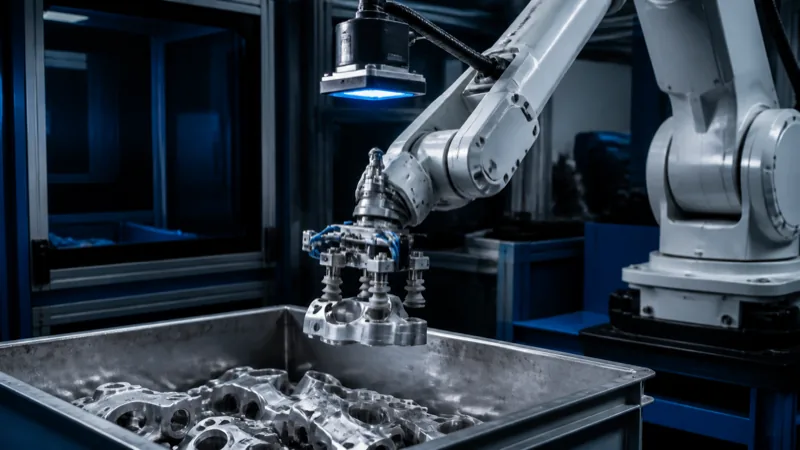
Applies material along a path, or works a tool over a surface.
These systems suit work that has to come out the same way every time. They follow a programmed path against a fixtured part, and they make the result something you can see rather than assume.
A programmed path applies the same motion, force, torque, or bead to every part where the fixture holds the work consistently.
Force, torque, and path can be recorded at the station, so a bad fit or a missed fastener is caught where it happened.
Fastening, spraying, and finishing are repetitive and often involve dust or fumes. An enclosed cell changes how that exposure is managed.
The robot is the smallest part of the scope. How components arrive, how the base part is held, and how the result is confirmed usually decide whether the system works.
The robot and its gripper, insertion tool, screwdriver, dispensing valve, spray head, or finishing tool, with a changer where more than one is needed.
How each component is presented, and what holds the base part. The fixture sets where every insertion, fastener, or bead lands.
Force, torque, presence, or vision checks that confirm the result, with guarding, extraction where needed, and the operator hand-off.
These are the applications this category covers and the industries they are used in. Find the row closest to your product before opening a system page.
| Industry | Applications covered in this category |
|---|---|
| Automotive components | Transmission assembly, battery-pack assembly, press-fit and bearing insertion, sealant and gasket application, automotive painting |
| Electronics | Electronic component assembly, connector insertion, soldering, battery assembly, precision pick and place |
| Metal fabrication and general engineering | Screwdriving, nut running, press-fit assembly, bearing insertion, adhesive application |
| Appliances and consumer products | Component assembly, clip and connector insertion, gasket installation, powder and protective coating |
| Pharmaceutical and healthcare | Medical-device assembly |
| Any painted or coated product | Spray painting, powder coating, primer application, protective coating, surface treatment, paint finishing |
The return comes from the work you move into the system, not from the robot. Start with the repeat hours and what they cost you today.
Identify how much of this work happens every week, and be realistic about the loading, feeding, and inspection that stays manual.
Component feeding, fixtures, tooling, sensing, and any extraction or booth work belong in the figure. These are the items most often left out.
Uru Robotics has not published a calculator for this category. The welding-cell page has a labour-capacity calculator you can use as a planning model, with the limitations noted there.
View the calculatorSome of this work is better left alone, or fixed a different way. It is worth ruling these out before scoping a system.
A person can feel their way around a bad part. A programmed system cannot. Where parts regularly do not fit by hand, incoming tolerance is the problem to solve first.
New tooling, new feeding, and a new fixture each time. Where the product turns over that quickly, the build cost rarely gets paid back.
Routing a wire loom, seating a soft seal by feel, or blending a finish by eye is still faster and better done by hand.
The first review should focus on the work, not on an assumed robot model.
It brings components together in a planned sequence: picking a part, positioning it against a fixtured base part, and placing, pressing, or fastening it. The parts and the fixture have to be consistent enough for that motion to work every time.
Position control moves a tool to a fixed point. Where a part is pressed or snapped into another, the seating position varies with the tolerance of both parts, so the system needs to work to a force rather than to a coordinate.
It is a related but separate job. Driving a fastener needs a torque-controlled tool and a way of feeding screws to it, so it is scoped on its own even when it happens at the same station.
The path, the material, and the check. The robot has to follow the bead or spray path with the part held consistently, the material has to behave predictably through the equipment, and there has to be a way of confirming the result.
Often yes, where the products belong to the same family. The practical limit is usually the fixture and the way components are presented, not the robot.
We start with the operation you want to improve. From there we decide whether a closer review of the components, tolerances, process, and volume is useful.
These sit next to this category in most factories.
Use your production figures to explore a simple planning estimate.
Find out whether assembly, dispensing, or finishing automation is right for your process.